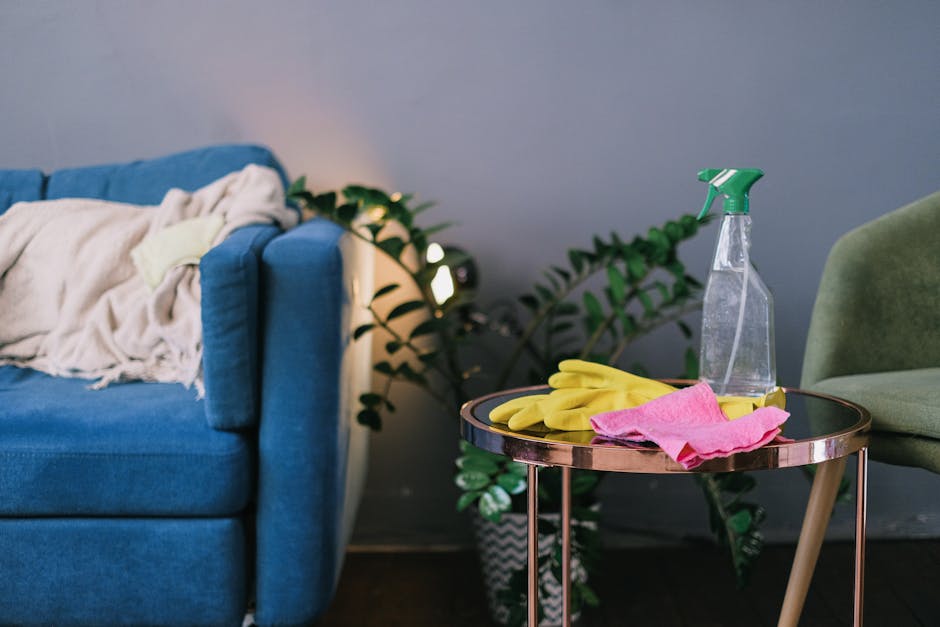
Chalk Farm Upholstery Cleaning Guide for Rental Flats NW1
If you live in a rental flat in NW1, upholstery cleaning can go from "nice to have" to absolutely necessary very quickly. A sofa that looked fine in daylight on Monday can suddenly show up every mark, spill, and mystery patch by Friday evening. This Chalk Farm upholstery cleaning guide for rental flats NW1 is here to make the whole process simpler: what to clean, how to clean it, when to call in help, and how to avoid the kind of mistakes that can leave you with flattened fabric or a very awkward checkout conversation.
Whether you are preparing for an inspection, trying to refresh a tired sofa before new tenants move in, or just dealing with everyday wear and tea stains, the aim is the same: get upholstery looking clean, fresh, and safe without making things worse. Let's face it, rental furniture takes a beating. This guide walks through the practical bits properly.
Why Chalk Farm Upholstery Cleaning Guide for Rental Flats NW1 Matters
Rental flats in Chalk Farm and the wider NW1 area tend to have a few things in common: limited storage, shared living space, and furniture that has to work hard. A sofa may be used for relaxing, eating, hosting, working from home, and sometimes the occasional accidental nap with a takeaway in hand. Upholstery picks up body oils, dust, food crumbs, pet odours, and general dulling faster than people expect.
For tenants, cleaning upholstery can help protect a deposit, improve comfort, and make a flat feel more "lived in" rather than "lived on." For landlords and letting agents, it helps present the property better, reduces complaints about lingering smells, and keeps furniture in a more serviceable condition between tenancies. In short, it is not only about appearance. It is also about hygiene, lifespan, and first impressions.
There is another angle too. In compact London flats, upholstery often sits close to radiators, windows, and high-traffic areas. That means fabrics can dry unevenly, absorb odours more readily, and collect dust from open windows and busy streets. A proper clean can make a real difference, especially if you notice a stale smell when you walk into the room after a day out.
How Chalk Farm Upholstery Cleaning Guide for Rental Flats NW1 Works
Upholstery cleaning is not one single process. It is a mix of assessment, spot treatment, and the right cleaning method for the fabric. That sounds obvious enough, but it is where people often go wrong. A cotton blend, a synthetic weave, and a wool-rich fabric may all need different care.
The basic approach usually follows the same pattern:
- Identify the upholstery material and any care label instructions.
- Test any cleaner on a hidden area first.
- Remove loose dirt with careful vacuuming.
- Treat stains or high-contact zones.
- Use a suitable low-moisture or deeper cleaning method.
- Allow enough drying time before use.
In a rental flat, you also need to think about timing. If the property is occupied, there may be no room to move furniture far, and drying space can be limited. If the flat is empty between tenancies, you get a bit more freedom, which is helpful. Still, even then, over-wetting is a bad idea. Too much moisture can leave a musty smell or, worse, water marks that make the fabric look patchy.
Professionally, upholstery cleaning often uses specialist extraction or controlled steam cleaning, but steam is not a cure-all. Some fabrics can shrink, distort, or lose texture if treated too aggressively. That is why understanding the fabric comes first. Cleaning technique second. That order matters.
Key Benefits and Practical Advantages
When done properly, upholstery cleaning gives you more than a fresh-looking sofa. The benefits are practical and, to be fair, pretty immediate.
- Better appearance: Light, brighter fabric and fewer visible marks make the whole flat feel cleaner.
- Reduced odours: Everyday smells from cooking, pets, smoke, and general use can cling to fabric.
- Longer furniture life: Dirt particles act a bit like fine sandpaper, gradually wearing fibres down.
- Improved comfort: Softer, fresher upholstery is just nicer to sit on.
- Better letting presentation: Clean furniture helps photos, viewings, and inspections go more smoothly.
- More confidence at move-out: It is easier to hand back a flat when the soft furnishings look cared for.
There is also a subtle but important benefit: once a sofa or armchair has been properly cleaned, it tends to stay cleaner for longer. Not magically forever, obviously. But the buildup of grime slows down, and that can save effort over the next tenancy cycle.
If the upholstery has been stained by pets, a spill, or an old food mark, cleaning can also prevent the issue from setting deeper. For those kinds of jobs, a broader stain removal approach is often useful alongside upholstery care.
Who This Is For and When It Makes Sense
This guide is useful for a few different people, and each group has slightly different priorities.
Tenants usually want to avoid damage, protect their deposit, and leave the flat in decent condition. If the sofa or dining chairs are part of the inventory, cleaning them before checkout can be a smart move. Sometimes it is the difference between "acceptable wear" and "why wasn't this addressed?"
Landlords need furniture that photographs well and feels properly maintained. That matters in Chalk Farm, where flat turnover can be fairly brisk and presentation counts. Clean upholstery helps a property look looked-after, not just cleaned at the last minute.
Letting agents and property managers often need a reliable turnaround. They are usually balancing time, access, and expectation. Clean furniture can help keep the process smooth, especially when paired with other services such as carpet cleaning or curtain cleaning if the whole flat needs a reset.
New tenants may want upholstery cleaned before moving in. That is a sensible request, particularly if you are sensitive to odours or allergies. A fresh start in a flat can make a big difference to how quickly it feels like home.
It also makes sense after:
- smoke exposure or lingering cooking smells
- pet accidents or pet dander build-up
- drink spills, food spots, or cosmetic stains
- long tenancies with visible wear
- pre-inventory, post-inventory, or end-of-tenancy prep
Step-by-Step Guidance
Here is the practical version. No fuss, no drama.
1. Check the fabric type first
Look for the care label if there is one. If you cannot find it, test a hidden area. Some upholstery can handle a fair bit; some really cannot. Velvet, delicate blends, and older fabrics need more caution than a sturdy synthetic weave.
2. Vacuum thoroughly
Use a soft brush attachment and work slowly across seams, cushions, and creases. Dust, grit, and crumbs sit deep in the fabric, especially on rental sofas where people eat, scroll, and live their lives in one place. A quick vacuum is fine for maintenance, but a deep clean starts with proper removal of dry debris.
3. Treat stains before the main clean
Fresh spills are easier than old ones, naturally. Blot, do not scrub. Scrubbing pushes the stain further into the fibres and can distort the nap. If you are dealing with greasy marks, an old coffee ring, or a pet-related patch, use a suitable product or consider specialist help. If the smell is part of the issue, pet stain and odour removal can be especially relevant in rental flats with animals.
4. Choose the right cleaning method
Low-moisture methods are often preferable in flats because they dry faster and reduce the risk of soaking under cushions or into the frame. Hot-water extraction can work very well on some fabrics, but it needs control. Steam should be used carefully and only where suitable. "More power" is not always better. In cleaning, that is one of those annoying truths.
5. Work in sections
Do not try to do the entire sofa in one go unless you know exactly what you are doing. Sections help you control moisture, avoid uneven drying, and keep a better eye on what is lifting and what is not.
6. Dry properly
Open windows if the weather allows, turn on ventilation, and keep cushions spaced out. In a small NW1 flat, a little airflow goes a long way. If the fabric still feels damp after several hours, something was probably too wet. That is the point where a fan or professional assessment helps.
7. Finish with a final check
Look at the upholstery in daylight if possible. Night-time lamp light can hide a lot. Check for streaks, dull patches, or lingering smells. If needed, do a light second pass rather than flooding the area again.
Expert Tips for Better Results
Here are the things experienced cleaners tend to pay attention to, because small details matter more than people think.
- Pre-test every product. Even a mild cleaner can leave a mark on certain fabrics.
- Use less liquid than you think. Most over-cleaning problems come from too much moisture, not too little.
- Work from the outside of a stain inward. That helps prevent spread.
- Keep towels on hand. Fresh dry towels are useful for blotting and absorbing lift-off.
- Do not mix products. A simple rule, but a vital one.
- Respect drying time. Using the furniture too soon can cause re-soiling or a damp smell.
One small, practical point: if a sofa is right up against a wall, move it slightly away before drying so air can circulate behind it. People forget that bit all the time. Then they wonder why the room smells a little off the next morning.
If you are unsure about the material, the safest route is often a specialist upholstery cleaning service that can match the method to the fabric instead of guessing.
Common Mistakes to Avoid
Most upholstery damage during DIY cleaning comes from a handful of predictable mistakes. The good news is that they are avoidable.
- Soaking the fabric: This can leave rings, stretch the fabric, or create hidden damp in cushions.
- Rubbing stains aggressively: It usually spreads the stain and roughs up the fibres.
- Ignoring the care label: A shortcut that can cost you more later.
- Using strong bleach or harsh chemicals: Bad idea on most upholstery, and it can strip colour.
- Skipping vacuuming: Dirt becomes muddy once moisture is added.
- Cleaning only the stain area: You can end up with a "clean patch" that looks worse than the original mark.
- Not checking for odour sources: Sometimes the smell comes from beneath cushions or nearby soft furnishings, not just the visible mark.
A sneaky one is drying too fast with high heat. It sounds efficient, but it can set residue or alter fabric texture. A gentle, even dry is better. Not glamorous, but better.
Tools, Resources and Recommendations
You do not need a huge kit to handle light upholstery maintenance in a rental flat. A sensible set of tools is usually enough.
- vacuum with upholstery attachment
- soft brush or fabric brush
- white microfibre cloths
- clean towels for blotting
- spray bottle for controlled application
- fabric-safe cleaner suited to the material
- small fan or good ventilation for drying
For deeper refreshes, a professional can usually offer better results, especially if you need the whole room handled at once. That can be useful when upholstery cleaning is only one part of a larger end-of-tenancy reset. In those cases, it may make sense to combine it with steam carpet cleaning for floors and sofa cleaning for larger seated furniture.
If you are comparing providers, it is also worth looking at practical factors such as access, drying time, product choices, and whether they can explain how they handle different fabric types. Transparency matters. So does insurance. If something goes wrong, you want a company that takes responsibility seriously; the pages on insurance and safety and health and safety policy are worth checking on any service site before you book.
Law, Compliance, Standards and Best Practice
For rental flats, upholstery cleaning sits inside a wider set of responsibilities around property condition, safety, and fair treatment of tenants. You do not need to turn this into a legal seminar, thankfully, but it helps to follow accepted UK best practice.
From a practical standpoint, landlords and agents should aim for cleaning that is:
- safe for the fabric and the people using it
- consistent with the upholstery manufacturer's care guidance, where available
- reasonable for the property's condition and tenancy stage
- documented where needed for handover or inventory purposes
Tenants, meanwhile, should avoid causing avoidable damage and should clean responsibly. If a stain is old or severe, trying to hide it with an unsuitable product can make things worse. That is rarely the clever move it feels like at 10 p.m. with a checkout looming.
Best practice in rental properties usually includes clear communication, photos before and after, and a sensible approach to what counts as ordinary wear versus neglect. If the furniture is part of the inventory, keeping a record of cleaning work can help everyone. It is boring admin, yes, but boring admin saves arguments later.
For those handling more than one property or recurring turnovers, a cleaner may also reference their terms and conditions, payment and security, and recycling and sustainability practices as part of a trustworthy service setup. That does not clean the sofa by itself, of course, but it does signal a more organised operation.
Options, Methods, or Comparison Table
Different upholstery situations need different methods. Here is a straightforward comparison to help you decide what is appropriate in a rental flat.
| Method | Best for | Pros | Watch-outs |
|---|---|---|---|
| Vacuum + spot clean | Light maintenance and fresh marks | Quick, low risk, inexpensive | Won't remove deep odours or embedded grime |
| Low-moisture upholstery clean | Occupied flats and quicker drying needs | Good balance of cleaning and drying time | May not fully shift very old stains |
| Hot-water extraction | Heavier soiling on suitable fabrics | Deep cleaning power, strong refresh | Too much water can be a problem if poorly controlled |
| Steam-assisted cleaning | Some durable fabrics and sanitising-focused jobs | Can help lift dirt and refresh fibres | Not suitable for all fabrics; caution needed |
| Specialist stain treatment | Spots, odours, pet accidents | Targets the issue directly | Needs the right product and method for the stain type |
If the upholstery is part of a whole-flat refresh, it is often more efficient to bundle it with related soft furnishings. For example, a sofa, mattress, and rug may all hold onto the same odours or dust load. In that case, mattress cleaning and rug cleaning can be sensible add-ons rather than separate headaches.
Case Study or Real-World Example
Here is a realistic example from a typical Chalk Farm rental flat situation. No drama, just the sort of thing that happens all the time.
A two-bedroom flat had a pale fabric sofa in the living room. Over the course of a tenancy, it picked up a dark mark on one cushion, a faint coffee ring on an armrest, and a mild stale smell that became noticeable when the windows stayed shut for a few days. Nothing shocking. But enough to make the room feel tired.
The first instinct was to use a strong all-purpose cleaner and scrub harder where the marks looked worst. That would have been a mistake. Instead, the cleaner checked the fabric, vacuumed thoroughly, treated the coffee mark gently, and used a controlled upholstery clean on the full seating area so the finish stayed even. The cushions were dried separately, and the room was ventilated for the rest of the day.
The result was not "brand new" in some unrealistic television sense. It was better than that. It looked cared for. The smell had lifted, the lighter fabric looked brighter, and the sofa no longer dominated the room in a gloomy way. That is what most people actually need in rental flats: not perfection, just a proper reset.
And, honestly, that is usually enough to make the rest of the flat feel better too. Strange how one sofa can affect a whole room.
Practical Checklist
Use this checklist before and after you clean upholstery in a rental flat.
- Check the fabric type or care label.
- Vacuum seams, creases, and under cushions.
- Test any cleaning product on a hidden area.
- Blot fresh stains rather than rubbing them.
- Choose a method suitable for the fabric and the available drying time.
- Keep the room ventilated during and after cleaning.
- Avoid over-wetting cushions and seams.
- Inspect the result in daylight if possible.
- Leave plenty of drying time before use.
- Take photos if the clean is part of a move-in or move-out record.
Expert summary: In rental flats, the safest upholstery cleaning plan is usually the simplest one that suits the fabric, controls moisture, and gives the furniture time to dry properly. Most problems come from rushing. Not from the cleaning itself.
If you want professional help rather than doing it all yourself, it is sensible to review pricing and quotes early so you can compare options before the tenancy deadline gets uncomfortably close.
Get a free quote today and see how much you can save.
Conclusion
Upholstery cleaning in Chalk Farm rental flats is one of those jobs that pays off in several ways at once. It makes the flat look better, feel fresher, and often smell better too. More importantly, it helps protect the furniture you already have and reduces the chance of awkward surprises during an inventory or checkout.
The key is to match the method to the fabric, keep moisture under control, and avoid the temptation to rush. If the job is simple, a careful DIY clean may be enough. If the fabric is delicate, the stains are stubborn, or the turnaround is tight, getting specialist help is usually the calmer choice. Truth be told, calmer is often cheaper in the long run.
Handled well, upholstery cleaning is not just another chore. It is part of keeping a rental flat in NW1 feeling decent to live in. And that matters more than people sometimes admit.
Frequently Asked Questions
What is the best way to clean upholstery in a rental flat?
The best method depends on the fabric, the stain, and how quickly the furniture needs to dry. For many rental flats, a careful vacuum, spot treatment, and a low-moisture clean offer the safest balance.
Can I steam clean a sofa in a Chalk Farm flat?
Sometimes, yes, but only if the fabric is suitable. Steam can damage delicate materials or leave too much moisture behind. Always check the care instructions or test a hidden area first.
How do I remove old stains from upholstery?
Old stains usually need pre-treatment and a method suited to the stain type. Grease, coffee, food, and pet marks all behave differently, so a one-size-fits-all approach rarely works well.
How long does upholstery take to dry?
Drying time depends on the fabric, humidity, ventilation, and how much moisture was used. Light cleaning may dry quite quickly, while deeper cleaning can take much longer. Good airflow really helps.
Will upholstery cleaning help with smells in a rental flat?
Yes, often it will. Upholstery absorbs cooking odours, pets smells, and general tenancy use. If the smell is strong or persistent, the source may also be in rugs, carpets, or mattresses.
Is professional upholstery cleaning worth it for end of tenancy?
Often, yes. Professional cleaning can save time, reduce the risk of fabric damage, and improve the overall presentation of the flat. It is especially useful when the furniture is part of the inventory.
Can I use supermarket cleaners on upholstered furniture?
Sometimes, but only with care. Some products are too harsh or too wet for upholstery. Always check the label and test first. If in doubt, go gentler rather than stronger.
What should landlords expect from upholstery cleaning?
Landlords generally expect furniture to be returned in a reasonably clean, presentable condition, allowing for ordinary wear. Clear photos and a sensible approach to the furniture's age are useful.
What if the sofa has pet stains or smells?
Pet stains often need targeted treatment because both the mark and odour can sit deeper in the fabric. In these cases, a specialist approach is often more effective than a basic surface clean.
How can I keep upholstery cleaner for longer?
Vacuum regularly, deal with spills quickly, avoid eating on delicate fabrics if possible, and rotate cushions. Small habits matter. A lot, actually.
Should I clean the carpet at the same time as the sofa?
If the flat needs a full refresh, cleaning both can make sense because dust and odours often affect the whole room. It is common to combine upholstery care with carpet cleaning for a better overall result.
How do I choose a trustworthy cleaner for a rental flat?
Look for clear service information, sensible advice about fabric safety, transparent pricing, and useful policy pages such as about us, privacy policy, and complaints procedure. A proper provider should be able to explain what they will do and why.