Camden High Street shop cleaning checklist for small businesses
If you run a small shop on Camden High Street, you already know the pace can be relentless. Footfall changes by the hour, weather tracks in dirt, and by closing time the floor can look very different from how it did at 9 a.m. That is exactly why a Camden High Street shop cleaning checklist for small businesses is so useful: it keeps cleaning consistent, reduces rushed end-of-day jobs, and helps your space stay welcoming even on the busiest days.
This guide breaks the job into simple, practical parts. You will see what to clean, when to clean it, what small businesses often miss, and how to decide whether a task belongs to your team or to a specialist. Nothing fancy. Just a clear system that works in the real world, where the till is ringing, the stock needs facing up, and someone has just come in with a wet umbrella.
For business owners who want a deeper service support network, it can also help to understand the wider standards behind commercial carpet cleaning, targeted stain removal, and the practical advice shared in the company's health and safety policy. Those pages are not a replacement for a daily routine, of course, but they are useful context when you want your cleaning plan to feel a bit more structured.
Table of Contents
- Why this checklist matters
- How the checklist works in a small shop
- Key benefits and practical advantages
- Who needs this and when it makes sense
- Step-by-step guidance
- Expert tips for better results
- Common mistakes to avoid
- Tools, resources and recommendations
- Law, compliance and best practice
- Options, methods and comparison table
- Case study or real-world example
- Practical checklist
- Conclusion
- Frequently asked questions
Why Camden High Street shop cleaning checklist for small businesses Matters
A shop cleaning checklist is not just a tidy document tucked in a back office drawer. It is a control tool. For small businesses on a busy London street, that matters because your shop is doing three jobs at once: selling products, shaping first impressions, and handling the daily mess that comes with public access.
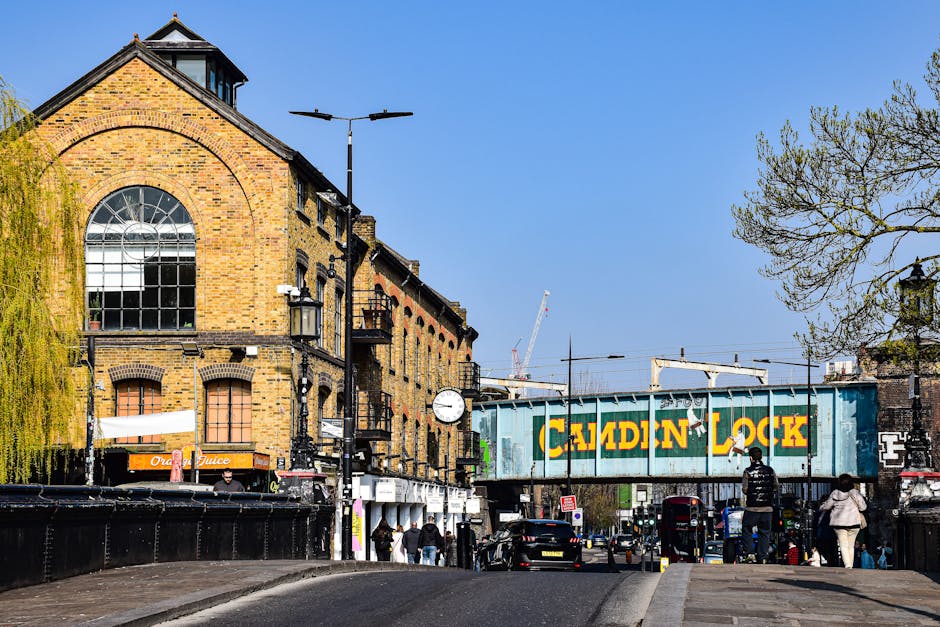
Camden High Street can be lively, crowded, and unpredictable. That is part of its appeal, but it also means dirt, dust, footprints, drink spills, sticky door handles, and stockroom clutter build up quickly. If your team relies on memory alone, some tasks get done twice and others get missed entirely. Truth be told, that is how little problems become big ones.
A solid checklist helps with:
- keeping front-of-house standards steady, even on rushed days
- protecting floors, displays, soft furnishings, and fixtures from avoidable wear
- reducing odours and visible grime that can turn customers away
- supporting a cleaner, calmer workspace for staff
- making handovers easier when different people open and close the shop
It also gives you a simple record of what "clean enough" means in your business. That can be surprisingly valuable when staff change, when you introduce new products, or when you need to explain your routine to a landlord, inspector, or contractor. A checklist keeps everyone on the same page. Well, most of the time anyway.
How Camden High Street shop cleaning checklist for small businesses Works
The easiest way to think about a shop cleaning checklist is by frequency. Different areas need attention at different times, and mixing them all into one long list usually makes the process less effective. A better system splits tasks into daily, weekly, and periodic jobs.
In practical terms, the checklist should follow the customer journey through the shop:
- Entrance and window line - the first things people see.
- Sales floor - where dust, fingerprints, packaging debris, and marks show quickly.
- Counter and till area - high-touch surfaces that need more frequent wiping.
- Stockroom and staff areas - often ignored until they become messy or unsafe.
- Soft furnishings, carpets, and upholstery - slower to notice, but they hold dirt and odour.
The idea is simple: high-traffic areas get the fastest turnaround, while deeper tasks happen less often but more thoroughly. A shop with carpeted areas, for example, may need regular vacuuming and periodic steam carpet cleaning, while seating or waiting areas may benefit from upholstery cleaning or even sofa cleaning if you have customer seating that really takes a beating.
The checklist should also be realistic. If a task takes 40 minutes and your staff only have 15, it will get skipped. Better to build a short, repeatable routine than a heroic one nobody can maintain. That is the whole trick, really.
Key Benefits and Practical Advantages
The biggest benefit is consistency, but there are several others worth spelling out.
- Better customer perception: Clean floors, polished counters, and fresh-smelling fitting rooms make people trust your shop faster.
- Longer life for fixtures and floors: Dirt and grit act like sandpaper. Left alone, they wear surfaces down more quickly.
- Fewer last-minute panics: If every task has a place on the checklist, you are less likely to miss the basics before opening.
- Improved staff morale: People work better in spaces that feel cared for.
- Less waste: A proper routine reduces overuse of cleaning products and makes stock control easier.
There is also a commercial angle. A well-kept shop tends to look more dependable, and that matters on a street where customers can choose between several businesses within a few minutes. People notice the smell of a place, the shine of the floor, the dust on shelving, the fingerprints on glass. They may not mention those things, but they notice. That is the funny part of retail, isn't it?
Expert summary: A good shop cleaning checklist is not about doing everything all the time. It is about matching the right task to the right frequency, then making sure the team can actually keep up with it.
If your shop has more textile surfaces than hard surfaces, the checklist becomes even more useful. Curtains, rugs, upholstered chairs, and mats all trap dust differently, so the cleaning plan should reflect that. For those areas, it can help to know the basics behind curtain cleaning, rug cleaning, and pet stain and odour removal if your shop welcomes customers with dogs, which many Camden businesses do.
Who This Is For and When It Makes Sense
This checklist is designed for small business owners, shop managers, supervisors, and staff who need a clear routine without a full facilities team. It is especially relevant for independent retailers, salons, small convenience shops, gift shops, concept stores, and service counters with customer-facing space.
It also makes sense if any of the following sound familiar:
- you often clean "when there is time", which means it barely happens
- different staff members open and close the shop on different days
- customers comment on the floor, windows, or smell of the shop
- you have carpet, soft seating, or display fabrics that collect dust quickly
- you want a standard that is good enough for daily trading, not just occasional deep cleans
Small shops tend to feel clean at first glance, but corners tell the truth. The skirting board behind the display rack, the base of the till counter, the bottom of the entrance mat - that sort of thing. If you have ever had that moment where the shop looks fine from the door but not quite fine up close, you will know what I mean.
Step-by-Step Guidance
Use this as the backbone of your own checklist. You can print it, adapt it, or split it into opening and closing routines. The point is to make cleaning predictable.
1. Start with the entrance
Check the doorway, mats, and glass first. Sweep away debris, remove litter, and wipe down handles and push plates. On wet days, this may need doing more than once. A soggy entrance mat at 10 a.m. can turn into a proper slip hazard by lunchtime if nobody notices.
2. Tidy visible customer areas
Straighten displays, remove packaging waste, wipe shelves, and check for fingerprints on glass or acrylic panels. Keep an eye on high-touch points such as basket handles, card readers, and any countertop edges customers lean on.
3. Clean floors properly, not just quickly
Vacuum carpeted areas slowly enough to lift grit, not just move it around. Sweep or mop hard floors using the right product for the surface. If your flooring has seen years of footfall, a routine dry clean won't be enough forever. This is where periodic specialist help can make a visible difference.
4. Deal with spills and stains straight away
Fresh spills are much easier than dried ones. Blot, do not rub. Use the correct cleaner for the surface, test in a hidden area if needed, and isolate the spot until it is dry. On fabric seating or display areas, don't leave a stain "for later". Later usually becomes permanent.
5. Sanitize high-touch points
Wipe down payment counters, door handles, light switches, railings, and any shared equipment. In a small shop, those touchpoints get used constantly, even if nobody notices.
6. Check staff areas and stockrooms
Mess in staff areas has a habit of spreading into customer space. Remove packaging, empty bins, keep cleaning supplies stored safely, and make sure walkways are clear. This is also where safety slips through the cracks if you are not careful.
7. Finish with odour and air quality
Open windows where appropriate, remove rubbish, and check for smells from drains, bins, fabric seating, or damp mats. A shop can look clean and still feel wrong if the air is stale. Customers notice that in about two seconds flat.
8. Record what was done
A short sign-off sheet is enough. Note anything unusual: a spill that needs specialist treatment, damage to flooring, a broken bin lid, or a recurring issue near the entrance. That record helps you spot patterns before they become expensive.
Expert Tips for Better Results
Small improvements often make the biggest difference. Here are the habits that tend to raise standards without adding much time.
- Clean from top to bottom. Dust and debris fall, so start with shelves and finishes before floors.
- Use microfibre cloths for detail work. They pick up fine dust well and usually leave a better finish on glass and counters.
- Keep one cloth colour for each zone. It sounds basic, but it cuts down on cross-contamination. Not glamorous, just effective.
- Set a timer for recurring tasks. It helps staff move with a bit more focus and stops one job from swallowing the whole shift.
- Build in a weekly "reset". That is when you clear behind fixtures, inspect corners, and deal with the bits nobody sees on a busy day.
If your shop has carpets or rugs, vacuuming is only part of the story. Embedded dirt, old spill marks, and general dullness usually need deeper treatment now and then. In those cases, service pages such as carpet cleaning, commercial carpet cleaning, and steam carpet cleaning are useful references for planning a more thorough refresh.
One more thing: avoid the "everything has to happen today" mindset. A clean shop is built on steady habits, not one heroic burst of energy at 5:55 p.m. before lock-up. We have all been there, to be fair.
Common Mistakes to Avoid
Most cleaning failures in small shops are not dramatic. They are small, repeatable misses.
- Only cleaning what customers can see. Back-of-house neglect usually comes back to bite you.
- Using the same approach for every surface. Glass, laminate, fabric, stone, and carpet all need different treatment.
- Waiting until dirt is obvious. By then the job takes longer and often costs more.
- Forgetting touchpoints. Handles, counters, and card machines carry more grime than people expect.
- Skipping the sign-off. If there is no record, it is hard to know what was done and when.
- Over-wetting textiles. That can leave odours, damage, or slow drying times, especially in compact shops.
Another common slip is treating stain removal like a general wipe-down. It rarely works that way. A mark from coffee, ink, food, or muddy shoes usually needs a specific method. If you are dealing with repeated spots, a more considered stain removal routine will save a lot of frustration.
And yes, sometimes people do forget the bins. Then wonder why the shop smells odd at 3 p.m. It happens more often than anyone admits.
Tools, Resources and Recommendations
You do not need a giant equipment list to keep a small shop presentable. You need the right basics, well maintained and easy to reach.
| Tool or resource | Best use | Practical note |
|---|---|---|
| Microfibre cloths | Dusting, wiping counters, polishing glass | Keep separate cloths for floors, counters, and fixtures |
| Vacuum cleaner | Carpets, mats, skirting edges, under fixtures | Empty it often so suction stays strong |
| Neutral surface cleaner | General hard-surface cleaning | Safer for routine use than harsh products on many finishes |
| Small brush and dustpan | Entrance debris and quick spot cleanup | Handy when a full vacuum would be overkill |
| Non-slip floor signs | Wet floors and spill management | Useful during opening hours, especially in compact spaces |
| Cleaning log sheet | Proof of tasks completed | Simple paper or digital; whatever staff will actually use |
If your shop has upholstered waiting chairs or textile features, deeper care may be worth scheduling every so often. That is where upholstery cleaning or even more targeted services can help restore the look and feel of the space without replacing fixtures too early.
Also, if your team is short on time, try this rule: keep the most-used tools in the most-used places. A cloth that lives far away might as well not exist on a busy afternoon.
Law, Compliance, Standards, or Best Practice
For small businesses in the UK, the cleaning checklist should support general workplace health and safety duties, fire awareness, and good hygiene practices. The exact requirements depend on your business type, layout, and the materials you use, so it is sensible to take a cautious, practical approach rather than assume one checklist fits everyone.
At a minimum, your routine should help you:
- keep walkways clear and reduce slip and trip risks
- store cleaning chemicals safely and label them clearly
- protect staff and customers from wet floors or unstable displays
- avoid mixing products that should not be combined
- keep enough information for staff to understand what is expected
Where deep cleaning or specialist treatment is needed, use providers who can explain how they work and what safety steps they follow. It is reasonable to ask about insurance, safety procedures, and whether a method suits your flooring or upholstery. The company's insurance and safety information and terms and conditions are the kind of pages that help set expectations before any job begins.
You may also want to think about environmental responsibility. A shop that uses fewer harsh products, disposes of waste properly, and avoids unnecessary replacement of fixtures is usually on firmer ground operationally. If that matters to your brand, the recycling and sustainability page is a useful reminder that cleaning and waste reduction often go hand in hand.
Options, Methods, and Comparison Table
Different shops need different levels of cleaning. A compact gift shop with laminate flooring is not the same as a fashion retailer with carpets, mirrors, soft seating, and stockroom boxes everywhere. This table gives a simple way to choose the right method.
| Method | Best for | Strengths | Limitations |
|---|---|---|---|
| Daily in-house cleaning | High-touch areas, floors, windows, counters | Cheap, immediate, flexible | Can miss deeper dirt and wear |
| Weekly reset clean | Fixtures, corners, stockroom, behind displays | Helps prevent build-up | Needs discipline and time allocation |
| Periodic specialist clean | Carpets, rugs, upholstery, stubborn stains | Deeper results, better finish, less wear | More planning required |
| Spot treatment only | Fresh spills and isolated marks | Fast and targeted | Not enough for routine standards |
For many small businesses, the best answer is not one method. It is a blend: daily basics in-house, weekly reset tasks on a rota, and specialist support for stubborn or high-wear surfaces. That mix tends to be the sweet spot.
Case Study or Real-World Example
Imagine a small independent shop on Camden High Street selling accessories and homeware. It has a narrow entrance, a carpeted fitting area, a couple of upholstered stools, and a stockroom that gets busy when deliveries arrive. On Fridays, foot traffic is heavier than usual, and by Saturday morning the entrance mat is already full of grit.
Before using a checklist, the team cleaned when they noticed something. That meant the mirrors were often spotless, but the floor edge near the door stayed grubby. The stockroom also collected empty packaging, which made it harder to move quickly during deliveries. Nothing disastrous. Just enough little annoyances to make the place feel less sharp.
Once they split the work into a daily close-down list and a weekly reset, things improved. Staff knew who handled the entrance, who checked touchpoints, and who did the quick visual sweep of the floor before locking up. A periodic deeper clean was arranged for textile surfaces, which helped with the general feel of the shop. The biggest change was not dramatic. It was steadier. The shop looked cared for, and the team stopped dreading the end-of-day tidy.
That is the real value of a checklist: not perfection, just less chaos. And less chaos is no small thing on a busy street.
Practical Checklist
Use this as a working checklist and adapt it to your shop layout.
Daily opening
- Unlock and inspect entrance area
- Remove debris from doorway and mats
- Wipe handles, counters, and card reader surfaces
- Check windows and glass for marks
- Make sure bins are empty and lined
- Confirm floors are dry and safe
During the day
- Spot-clean spills immediately
- Wipe high-touch areas after busy periods
- Keep stock and packaging off customer routes
- Refresh mats if they become wet or dirty
- Monitor odours, especially near bins or textiles
Closing routine
- Sweep, vacuum, or mop floors
- Clean visible marks on glass and fixtures
- Sanitize payment and touchpoint areas
- Reset displays and straighten stock
- Empty rubbish and recycling
- Note anything needing deeper treatment
Weekly tasks
- Clean behind counters and fixtures
- Dust shelves, skirting, and corner edges
- Inspect upholstery, rugs, and curtains
- Review cleaning supplies and restock essentials
- Check for recurring stains or wear patterns
- Schedule specialist help if deep cleaning is due
Monthly or periodic tasks
- Deep clean carpets or textile areas
- Treat persistent stains properly
- Review the checklist with staff
- Update the rota for busy trading periods
- Inspect for signs of damage, damp, or mould risk
Quick takeaway: if a task affects customer perception, safety, or odour, it probably belongs on the daily or weekly list. If it is about restoring condition, it is usually a periodic job.
Conclusion
A well-built Camden High Street shop cleaning checklist for small businesses keeps your day moving, your shop feeling welcoming, and your standards easier to maintain. It does not have to be complicated. In fact, the best checklists are usually the simplest ones: clear tasks, sensible timing, and enough discipline to stick with them.
Start with what customers see first, then work backwards to the rest of the space. Protect the entrance, handle stains quickly, keep touchpoints clean, and give carpets or upholstered areas the deeper attention they need now and then. That small bit of structure can save you time, money, and the odd last-minute panic before opening.
If you are reviewing your current routine or planning a better one, it helps to compare in-house cleaning with specialist support for problem areas like carpets, rugs, and upholstery. That way, your team can focus on the daily essentials while the tougher jobs are handled properly.
Get a free quote today and see how much you can save.
And honestly, once the routine clicks, you will notice the difference. The shop feels calmer. Customers linger a little longer. Staff breathe easier. That matters more than people think.
Frequently Asked Questions
What should be on a shop cleaning checklist for a small business?
At minimum, it should cover entrances, floors, counters, high-touch points, bins, display areas, staff spaces, and any fabric or carpeted surfaces. A good checklist also includes when each task should happen.
How often should a small shop be cleaned?
High-touch and customer-facing areas should be cleaned daily, sometimes more often during busy periods. Deeper tasks such as behind fixtures, carpets, and upholstery are usually weekly or periodic, depending on footfall.
Why is a cleaning checklist useful for Camden High Street shops specifically?
Camden High Street tends to have strong foot traffic and changing weather conditions, so dirt and moisture build up quickly. A checklist helps small businesses keep standards steady without relying on memory alone.
Should staff or a professional cleaner handle the cleaning?
Usually both. Staff can manage daily opening, closing, and spot-cleaning tasks. Specialist cleaners are more useful for deeper work on carpets, rugs, sofas, and stubborn stains.
What is the biggest mistake small shops make with cleaning?
Leaving everything until the end of the day or only cleaning what is visible from the door. That approach tends to create more work, not less, and can make the shop feel tired very quickly.
How do I stop my shop from smelling stale?
Empty bins regularly, treat damp mats, clean upholstery and carpets properly, and allow fresh air where possible. If a smell keeps returning, it is usually tied to a hidden spill, textile surface, or drainage issue.
Are carpeted shops harder to maintain?
They can be, especially in high-traffic areas. Carpet traps grit and moisture, so regular vacuuming and occasional deeper cleaning are important if you want it to stay presentable.
Can I use the same cleaner on every surface?
Not a good idea. Glass, laminate, fabric, and carpet all behave differently. Using the wrong product can leave residue, damage the finish, or make stains worse.
How do I know when I need a deeper clean instead of a quick tidy?
If the shop still looks dull after the normal routine, if there are lingering odours, or if stains keep returning in the same spot, that usually means the surface needs more than a quick wipe-down.
What should be recorded on a cleaning log?
Keep it simple: date, tasks completed, any issues found, and whether specialist cleaning is needed. The log is mainly there to keep the routine accountable and easy to hand over.
Is there a best time of day to do the cleaning?
Opening and closing are the two most practical times. Some jobs, especially spill response and touchpoint cleaning, may also need doing during the day when customer traffic is heaviest.
Where can I find help for carpet or upholstery cleaning if my shop needs it?
If your shop has carpeted floors, soft seating, rugs, curtains, or stained upholstery, it helps to look at services such as carpet cleaning, commercial carpet cleaning, upholstery cleaning, rug cleaning, and curtain cleaning so you can decide what needs a deeper treatment and what your team can manage in-house.